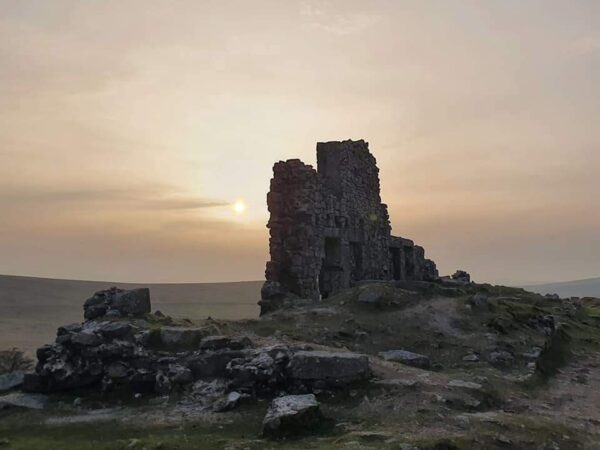
There’s a moment, when you first step onto Dartmoor, where time seems to fold in on itself. One minute you’re leaving your car behind, the next you’re standing among ancient granite tors, wind in your hair, wild ponies grazing nearby, and skylarks singing above. This is a place shaped not just by nature but by millions of years of geological drama and thousands of years of human stories.
So, if you’re new to Dartmoor,whether you’re coming with kids, a dog or just a pair of boots and a map, here’s your beginner’s guide to understanding a bit of its history, how to visit responsibly, and where to go for that “wow” moment.

How Dartmoor Was Formed (A 280-Million-Year-Old Tale)
Let’s start at the very beginning. Dartmoor’s famous landscape of windswept moorland and granite tors began its life deep underground — about 280 million years ago during the late Carboniferous period. The granite you see today was once molten rock (magma) that slowly cooled beneath the Earth’s surface, forming large crystals and the hard, grey granite Dartmoor is known for. This process is called Frost Shattering
Over the millennia, the softer rock above eroded away, exposing the tors — the striking rock piles and outcrops you can now climb. Each one has its own personality, and locals often have a favourite (more on that below!).
Dartmoor has over 160 tors — dramatic, weathered granite outcrops that sit like rocky castles on the moor.

Who Owns Dartmoor?
Here’s the quirky bit: Dartmoor may feel wild and free, but it’s not all public land.
Dartmoor covers 954 square kilometres (368 square miles) — that’s larger than many cities and bigger than the Isle of Wight!
The land itself is a patchwork of ownership:
- Private landowners (including large estates),
- The Duchy of Cornwall (owned by the Prince of Wales),
- Forestry England,
- The National Trust, and
- Common land, which is privately owned but has public rights of access.
In 1985, Dartmoor was designated a National Park, which means it’s protected for its natural beauty and cultural significance. Most of it is open access land, meaning you can walk freely, but there are exceptions, particularly during military training exercises, which we’ll get to shortly.

Why Are There Animals Roaming Dartmoor? Who Owns Them?
Yes, the animals are meant to be there! Those ponies, sheep, and cattle you see grazing are owned by local commoners — farmers who have the legal right to graze their livestock on common land. These rights often go back generations.
The animals are hardy, largely left to roam freely, and are not wild — though they behave that way. You’ll often see Dartmoor ponies, tough little creatures adapted to life in all weather. Please don’t feed or pet them — it can make them ill and encourages them to seek food from visitors, which isn’t good for anyone.

Can I Walk Anywhere? And Where Can I Park?
Generally, yes — Dartmoor is a walker’s paradise.
✅ You can walk:
- Across open access moorland
- On marked public footpaths, bridleways, and byways
- In Forestry England areas (like Bellever or Haldon Forest)
- You can walk at any time – enjoy a sunrise, a sunset and all day if you want too.
- Lots of great paths available. Some have been maintained for the less abled and you can even hire trampers to use if you find walking difficult.
❌ Avoid:
- Military firing ranges when active (check red flag warnings or the MOD Dartmoor firing times). Parts of Dartmoor are used by the UK military for training. Areas like Merrivale, Okehampton, and Willsworthy have firing ranges.
- Enclosed farmland without a right of way
- Private gardens and estates without signage allowing entry
Where to park:
- Official car parks at popular spots (often free or low cost)
- Laybys on minor roads (be respectful, don’t block gates or narrow lanes)
- Avoid parking on grass or blocking access for farm vehicles and emergency services
- Some carparks even have Ice Cream Vans!
Some areas are restricted for conservation. Wistman’s Wood is one of three ancient high-altitude oak woods on Dartmoor. Mossy, twisted, and often shrouded in mist, it’s said to be haunted by ghostly hounds.

Things to Be Careful Of
Dartmoor may look gentle, but it has its own set of hazards:
- Weather changes fast – bring waterproofs and layers, even in summer
- Boggy ground – especially after rain. Stick to tracks if you’re unsure
- No signal in many areas – download maps or bring a physical one
- Livestock – keep dogs on a lead around animals, especially during lambing
- Ticks – common in summer, check dogs and kids after walks

What’s the Best Thing About Dartmoor?
Ask ten locals and you’ll get ten answers — but for me, it’s the peace and ancient energy. You feel small in the best possible way. It’s a place where you walk and see nothing but nature, your children can climb rocks older than history, and your mind can finally slow down.
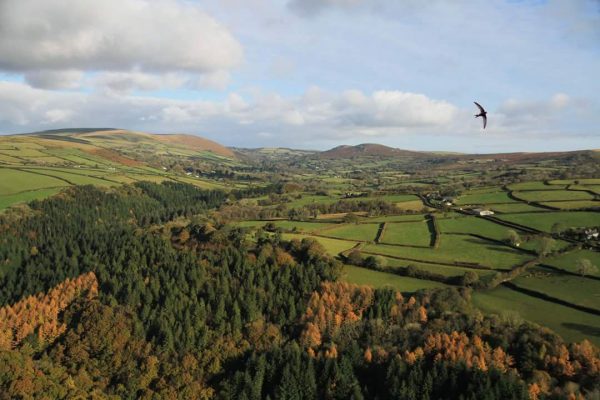
Another great thing about Dartmoor is that it is here for everyone. You can enjoy a walk through the deepest moors, cycling the cycle paths, a drive along the roads, a ride on horseback or a view from the window on a scenic bus trip. Everyone can experience the amazing views of Dartmoor.
Dartmoor has inspired countless authors — most famously Sir Arthur Conan Doyle, who set The Hound of the Baskervilles on the misty moors.
📍 Top 10 Favourite (Beginner-Friendly) Dartmoor Spots
- Haytor – iconic tor, great views, accessible paths
- Bellever Forest – family-friendly trails, rivers, parking, toilets
- Hound Tor – easy walk + medieval village ruins
- Pew Tor – easy walk with views over Tavistock
- Burrator Reservoir – lakeside walks, perfect for picnics
- Foggintor Quarry – dramatic ruins and turquoise water
- Postbridge & the Clapper Bridge – Dartmoor history in one place
- Emsworthy Mire – stunning in late spring with bluebells and ponies
- Venford Reservoir – short walk, peaceful views
- Brentor Church – a church on a hill with panoramic views
Bringing the Dog?
You’re in good company — Dartmoor is one of the most dog-friendly places in the UK.
Just remember:
- Dogs on Leads near livestock and birds (especially March–July)
- No dog bins in the wild, so bring bags and carry it out
- Walk in areas where you may not see another person for hours

In Summary…
Dartmoor isn’t just a place — it’s a living, breathing piece of history where the landscape tells its own story, and every stone, tree, and tor has seen more than we ever will. Whether you’re here for a gentle wander or a windswept adventure, Dartmoor welcomes you, dogs, kids, and all and so do we at Higher Longford Cottages.
So come explore, respect the land and animals, and leave only footprints (and maybe a bit of your heart).